








Faster Integration Into Existing HVAC / Comfort ECUs
The platform plugs into LIN/I2C/SPI with minimal redesign, reducing integration effort and accelerating bring-up across vehicle programs.



Modern cabins are airtight for efficiency and acoustics, but this also traps pollutants. CO₂ spikes in just a few minutes of driving can cause drowsiness, affect cognition, and degrade comfort.
In EVs, HVAC directly affects driving range. Intelligent AQI-based recirculation and purification reduce compressor load, improve thermal efficiency, and enhance the premium cabin experience customers expect from electric mobility.
That’s why global OEMs now treat in-cabin air quality as a safety, comfort, and branding feature. There are two aspects to ensuring clean cabin air- air quality monitoring and air purification.
Talk to our ExpertsEmbitel’s Air Quality Platform brings sensor intelligence, real-time AQI logic, and purification control into one modular, ASPICE-ready solution built for EVs, premium cabins, and next-gen HVAC systems.
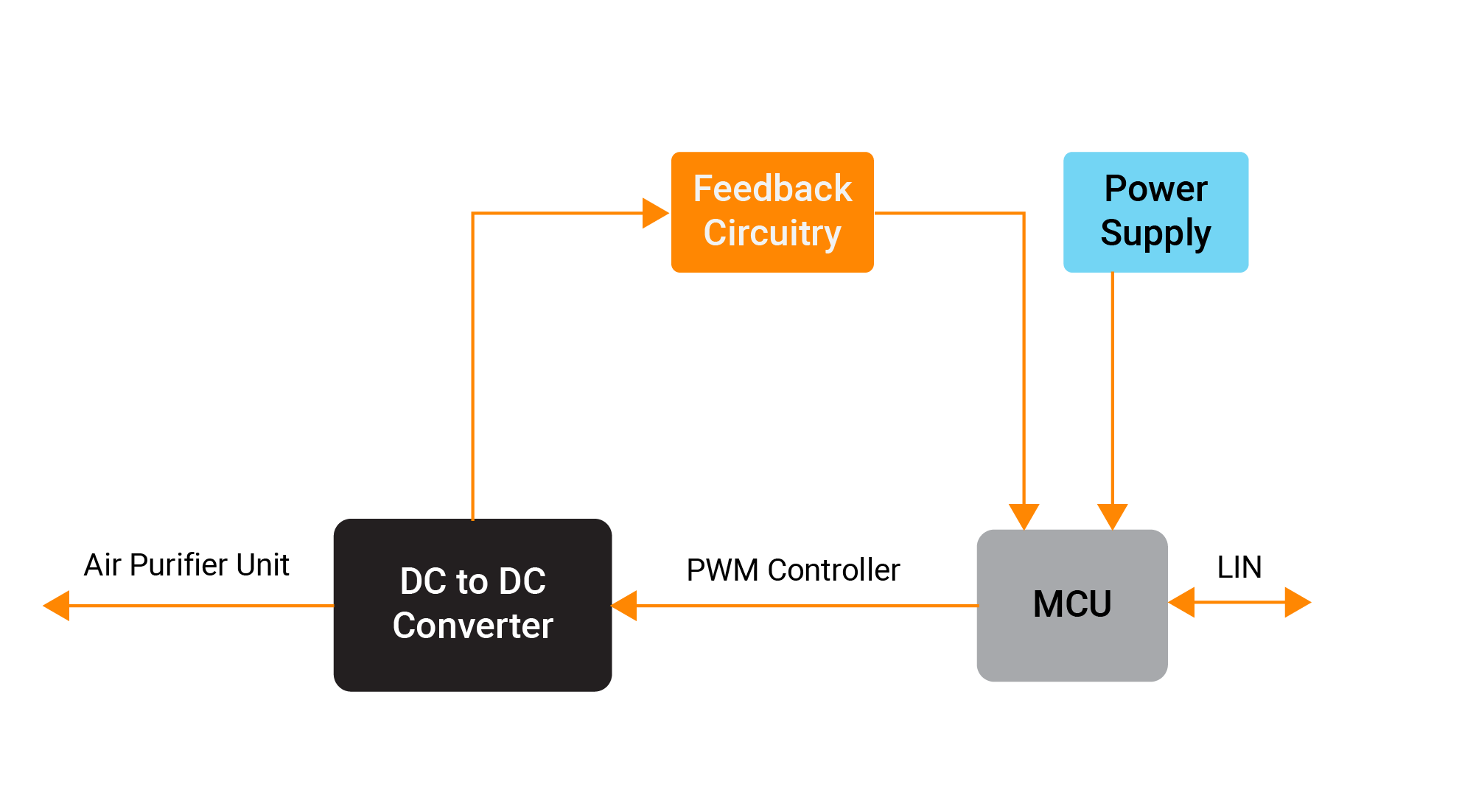
Our capabilities extend to the development of closed-loop control systems for ionizers and filters, using PWM-based voltage regulation, real-time diagnostics, and robust communication and diagnostics stacks (LIN, UDS).
From sensor interfaces to purification ECUs, and from software layers to ASPICE-compliant delivery, we offer a unified, scalable platform for intelligent in-cabin air management.
Supports CO₂, VOC, CO, and H₂S sensors via LIN, I2C, or SPI. Optimized polling based on vehicle state.
Computes AQI using gas-specific thresholds. Easily extensible for new sensors or regulations.
Controls ionizers via PWM. Includes voltage scaling, overload detection, and fallback safety logic.
Enables rapid model-driven development; supports co-simulation with HVAC and purification ECUs.
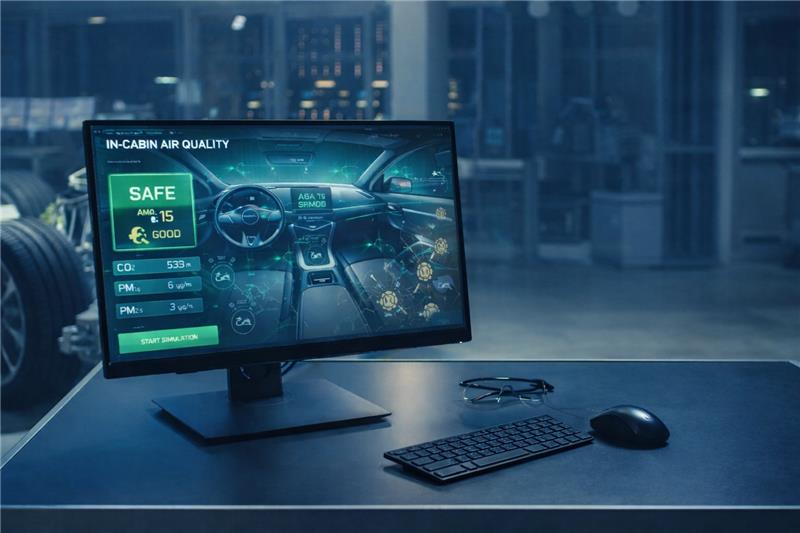
Simulates high pollutant levels, supports batch firmware flashing, and accelerates edge-case test validation
Controls ionizers via PWM. Includes voltage scaling, overload detection, and fallback safety logic.
Delivered with ASPICE Level 2 compliance, from requirements traceability to automated testing.
Built as an SDV-ready module with decoupled software layers, configurable thresholds, and support for OTA-driven behavior changes.
Embitel’s in-cabin air quality solution is designed as a modular and scalable architecture that ensures optimal air monitoring, purification, and diagnostics within the vehicle cabin.
Our air quality solution architecture follows a clear, modular flow:
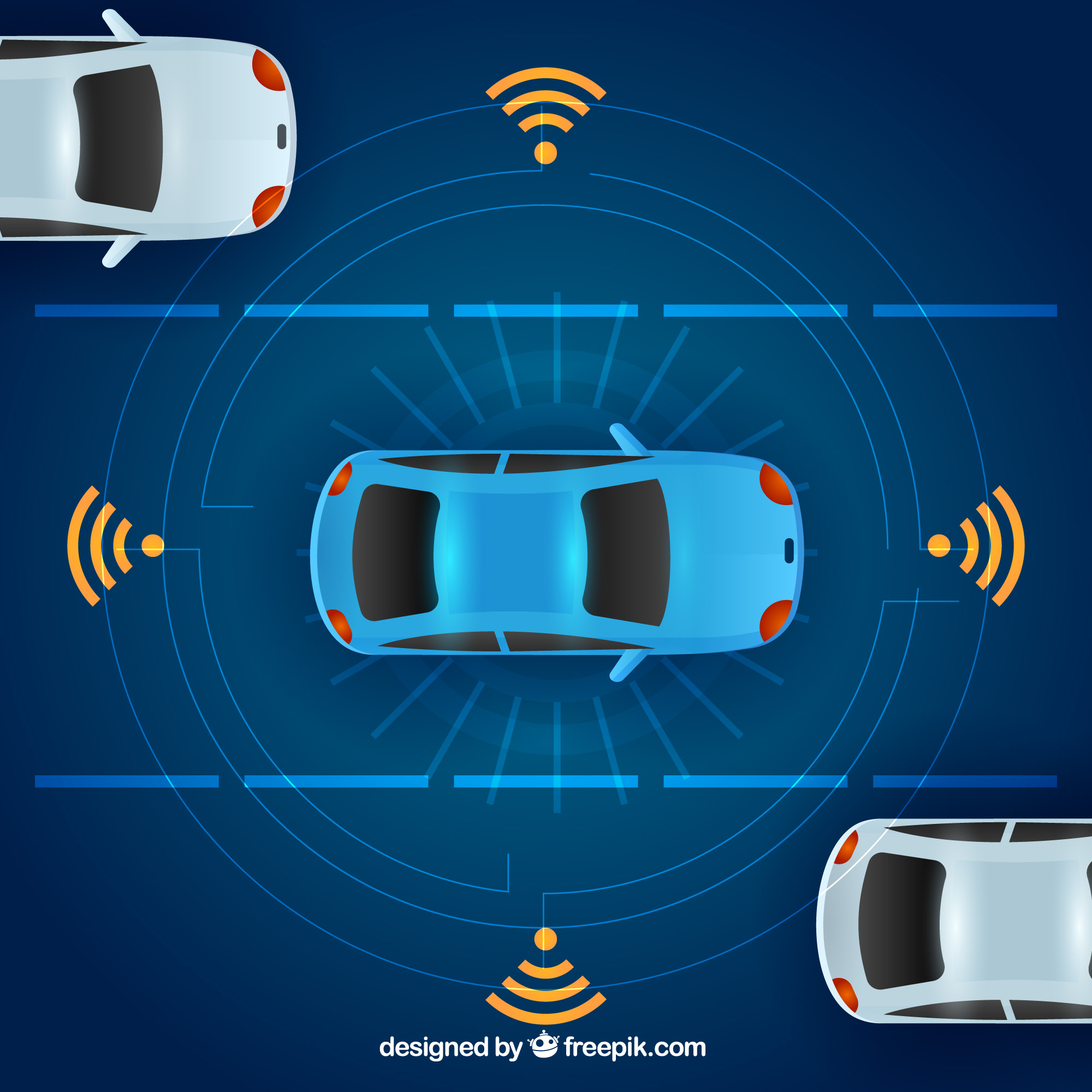
Detect → Interpret → Purify → Diagnose → Communicate
This structure ensures fast decisions, clean integration, and robust operation in any vehicle platform.
Faster Integration Into Existing HVAC / Comfort ECUs
The platform plugs into LIN/I2C/SPI with minimal redesign, reducing integration effort and accelerating bring-up across vehicle programs.
Shorter Development Cycles & Faster SOP Unified, production-ready platform, pre-validated modules, diagnostics, and AQI logic reduce development time, helping OEMs/Tier-1s achieve quicker prototype, validation, and production timelines.
Lower Engineering & Lifecycle Cost Through Reuse A common, configurable software base can be reused across trims, models, and regions, lowering engineering overhead and long-term maintenance cost.
Reduced Technical Risk & Higher Program Predictability A proven reference platform with built-in diagnostics and test tools stabilizes development, reduces unknowns, and improves milestone reliability.
Future-Proof Foundation for SDVs & Evolving Regulations The platform supports new sensors, OTA-ready architectures, AQI updates, and upcoming cabin-air guidelines, protecting OEM/Tier-1 investment over multiple cycles.
It refers to the monitoring and purification of the air inside the vehicle cabin. The system detects harmful gases like CO₂ or VOCs and activates purification mechanisms to maintain air quality and passenger comfort.
An air quality sensor detects pollutants such as carbon dioxide (CO₂), volatile organic compounds (VOCs), carbon monoxide (CO), or hydrogen sulfide (H₂S) inside the cabin. It provides real-time data that helps adjust HVAC settings or trigger purification.
The sensor is connected to a microcontroller or cabin ECU. Based on sensor readings, control logic triggers the HVAC system to adjust airflow, activate filters or ionizers, and ensure clean air circulation.
Our platform uses continuous sampling of gas concentrations. It computes an Air Quality Index (AQI) and initiates corrective action via the purification ECU or HVAC system based on configurable thresholds.
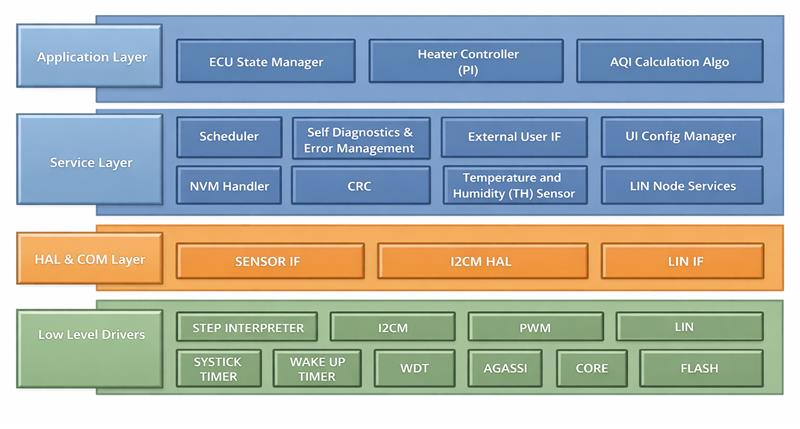
The solution integrates gas sensors, embedded software, a purification ECU (with PWM control), diagnostics (UDS), and communication protocols (LIN, I2C, SPI). It’s modular, standards-compliant, and ready for integration with existing vehicle platforms.
Yes. We support a wide range of sensor types and interfaces (I2C, LIN, SPI). The platform is designed to be sensor-agnostic and easily configurable based on OEM/Tier-1 sensor preferences.
We provide simulation tools for CO₂ scenarios, automated flashing tools, and validation frameworks aligned with ISO and ASPICE standards.
Absolutely. The software modules are independent and can communicate with HVAC ECUs through standard automotive protocols, ensuring smooth integration.
Yes. Our development process aligns with ASPICE Level 2, including lifecycle traceability, static code analysis, unit testing, and compliance with MISRA C.
The microcontroller calculates AQI in real-time and triggers the purification logic via PWM to activate ionizers or air purifiers. Faults and trends are logged via UDS diagnostics.
Yes. The platform is agnostic to vehicle propulsion type and has been deployed in both EVs and conventional internal combustion engine vehicles.
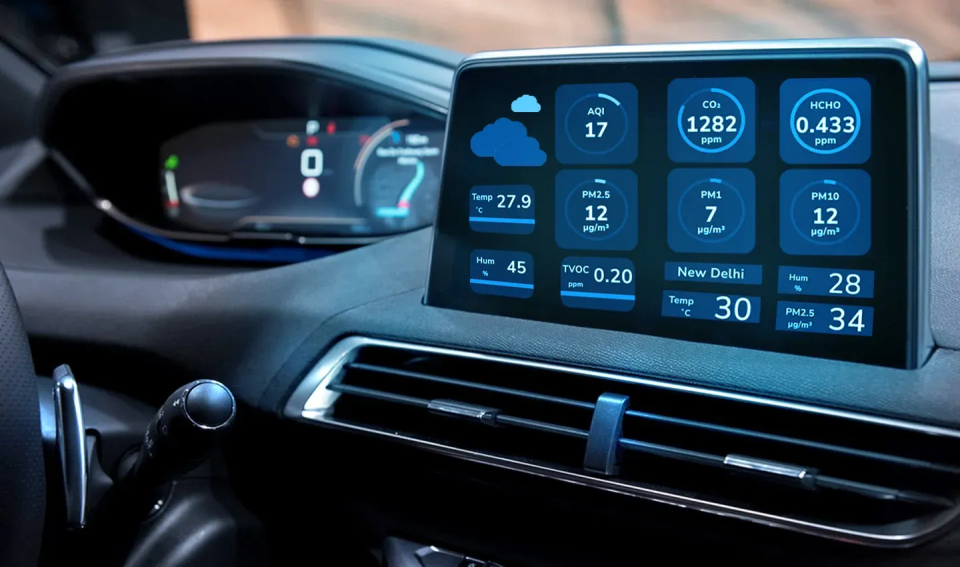
Yes. We can develop middleware and drivers to read sensor data and integrate it with HVAC controls or infotainment displays over CAN/LIN/I2C.
Definitely. We offer standalone software modules including sensor drivers, AQI logic, diagnostics stack, and bootloader support.
Yes. With the integrated UDS bootloader, we support secure firmware updates. Remote diagnostics can be enabled depending on your telematics stack.