
Whoa! This idea hit me on a subway ride last year. I was watching a guy fumble with a tiny paper notebook, and my gut said: there has to be a better way. Initially I thought paper backups were just inconvenient, but then I realized they’re actively dangerous for everyday users who move money across chains. My instinct said the answer wouldn’t be another complicated app. Something simple, physical, and secure — like a smart card — felt right. I’m biased, but after years in crypto product teams and late-night wallet audits, I keep circling back to hardware-first approaches. Here’s the thing: seed phrases were brilliant for decentralization, but they’re a lousy UX for modern multi-currency lives.
Really? Yes. People underestimate how often a lost phrase equals permanent loss. A seed phrase is powerful. And also fragile. On one hand it gives you sovereignty. On the other, it demands you become a part-time archivist. On the subway I thought about how non-technical friends handle recoveries. On the subway I watched someone tape a phrase under a desk. Yikes. This part bugs me. We need tools that match how humans actually behave.
Wow! Security needs to meet human patterns. Most consumers won’t memorize 24 words. They won’t store them in safety deposit boxes. They’ll trust what looks tidy and intuitive. Which is why I warmed up to tamper-evident smart cards that hold keys internally and operate without exposing the seed. At first that sounded like marketing fluff, though actually, the tech has matured. Smart cards can hold an on-card private key, sign transactions, and be used across many chains without exporting sensitive secrets. That changes the game for day-to-day multi-currency management.
Hmm… here’s another nuance. People confuse convenience with security. Convenience without hardware isolation is risky. Convenience with hardware isolation is powerful. You can have both. But you also need to design for real failure modes: lost card, damaged card, phone theft, social engineering. My workflow is simple: reduce attack surface, build recoverability, and keep UX human. I’m not 100% sure any single solution is perfect, but smart cards get closer than most.
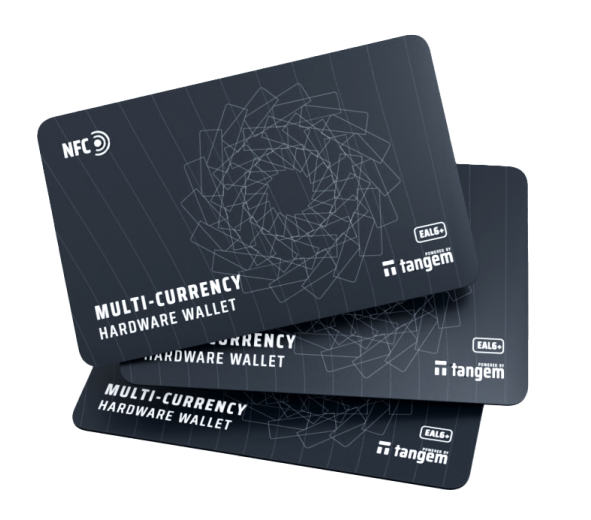
How a Smart Card Replaces the Seed Phrase (Practically)
Here’s the thing. A smart card holds your private key inside a secure element. It signs transactions locally. It never spills the seed phrase onto a screen or into a clipboard. That avoids clipboard malware, screenshot attacks, and the common human mistake of typing keys into dubious websites. At first I assumed chips like this were only for payment cards, though modern secure elements are designed for crypto key management as well. On the plus side, many smart card systems support multiple accounts and multiple currencies through standards like BIP32 and BIP44, or through native multi-app firmware.
Really? Yep. The practical workflow looks like this: you provision an account to the card, pair via Bluetooth or NFC, and use it to approve transactions. The card signs requests and returns signed data. You keep a single, hardware-backed token instead of memorizing long word lists. Initially that tradeoff might feel like trading decentralization for convenience, but actually, the sovereignty model stays intact because you still physically control the private key. You’re just not the seed-guarding archivist anymore.
Whoa! There are trade-offs though. Cards can be lost or physically damaged. They can be coerced away from you. Recovery requires a secure recovery scheme that doesn’t reintroduce the original vulnerabilities. Some systems use social recovery, multi-party recovery, or backup cards stored separately. Others try to convert the seed phrase into a hardware-backed recovery token. I prefer methods that avoid single recovery points that are easily compromised. And yes — somethin’ as simple as “keep a spare card in a fireproof safe” often works, though it’s not elegant.
The UX improvements are tangible. People sign transactions without seeing hex strings. They manage multiple currencies from one device. Their phone becomes the interface, not the vault. For mainstream adoption, shedding the seed phrase as a required thing is huge. Americans in particular expect everyday usability; they expect a wallet to feel as easy as a contactless card. This is partly why hardware-smart cards resonate: they map to familiar mental models.
Security Models: What to Trust and What to Test
Whoa! Trust is the word. Trust the crypto primitives, not opaque vendors. At first glance, many cards promise “bank-grade” protection. But actually, you have to verify the supply chain, attestation mechanisms, and firmware signing. Initially I thought all secure elements were created equal. Then I realized subtle differences matter — like secure boot and hardware-backed random number generators. On one hand, a card with strong hardware and open audit reports is reassuring. On the other, a closed-source firmware with no attestation can still be risky.
Hmm… here’s a practical checklist I use: check for independent security audits, verify attestation flows, examine recovery options, and review multi-currency support. Also test how the card interacts with commonly used wallets and custodial services. Try to break it. Sounds mean, but that’s how you learn the failure modes. One time a vendor’s onboarding app leaked metadata over unencrypted channels — very very important to catch that early.
Something felt off about social recovery designs that require trusting a third party. My instinct said decentralization would be whittled away if recovery relied on centralized servers. So I favor designs using threshold signatures or distributed recovery without revealing private key material. Those are harder to build, though increasingly available. And remember: the attacker doesn’t need your whole seed to be dangerous. Metadata, reuse of addresses, and signing patterns can leak info. A good card limits those exposures.
Multi-Currency Support: One Device, Many Chains
Okay, so check this out—modern smart cards often ship with support for dozens of chains. Ethereum, Bitcoin, Solana, and many EVM-compatible networks can be supported either natively or via companion apps. That means you can manage multiple assets with the same physical token. Initially I thought cross-chain meant complex setups, but the interoperability layers have improved. Still, beware of partial support: some chains rely on heuristics or third-party bridging software to integrate, and that creates attack surfaces.
I’m biased toward wallets that implement clear derivation path standards and avoid ad hoc key derivations. This ensures that accounts are predictable and recoverable if you ever switch hardware. At the same time, real-world wallets need UI flows for token approvals, gas management, and chain switching. A clean phone app that pairs with the card makes these tasks intuitive. Users shouldn’t have to navigate raw transaction hex or node flags. They just want to send, receive, and view balances without sweating the details.
Seriously? Yes. For power users, advanced features like programmable multi-sig, policy-based spending limits, and paymaster integrations are attractive. But mainstream users benefit most from a slim, frictionless experience: quick pairing, error-resistant signing, and clear confirmation screens that explain what they’re approving. I’ve watched new users misapprove token approvals because the text was confusing. Good design reduces those mistakes.
Practical Recovery Strategies That Don’t Suck
Here’s the thing. Recovery is the Achilles’ heel. No hardware solution removes the need for a recovery plan. What changes is how that plan looks. With smart cards you can use: 1) spare cards held separately, 2) multi-device threshold backups, 3) trusted contact social recovery, or 4) mnemonic converted to encrypted shards stored across vaults. Each option has trade-offs. I prefer threshold backups that split secrets across multiple storage points without creating single failure points.
Initially I thought paper copies plus trusted lawyer safekeeping was fine. Then I realized lawyers aren’t great at storing 12-24 word lists for two decades. Also, legal processes can be slow. Americans move, change names, and misplace documents. A physical spare card kept in a bank safe deposit box plus a distributed encrypted backup for catastrophic loss is pragmatic. It’s not elegant. But it works.
I’m not 100% sure any recovery system is perfect. If someone coerces you, hardware doesn’t save you. If someone bribes an insider, social recovery risks exposure. The goal is to minimize common failure modes, not eliminate every conceivable attack. For most people, that means combining hardware smart cards with thoughtfully distributed backups and clear, simple instructions for heirs or co-signers.
Where to Start (If You Want to Try One)
Whoa! If you’re curious, start with the basics: buy a reputable card from a vendor with audits, test the onboarding process with a small amount, and practice recovery procedures. Use a new card for a week before moving significant funds. Pair it with wallets you already trust and avoid sketchy browser extensions. And oh — try the companion app on both iOS and Android to see which feels more natural for you.
Check this out — for an example of hardware smart cards and practical guides, see this resource here. It outlines hardware features, attestation flows, and user workflows that match what I’ve been describing. I’m not endorsing any single product, but that material helps bridge theory and practice in a user-friendly way.
FAQ: Quick answers for busy people
Q: Can a smart card really replace my seed phrase?
A: Mostly yes for daily use. The smart card keeps the private key isolated, so you don’t need to read or write a long seed during normal operations. But you still need a recovery plan for lost or damaged cards. Treat the card like cash in a pocket — secure it, and have a backup for catastrophic failure.
Q: Are smart cards safe for everyone?
A: They improve security for many people, especially non-technical users. But they require thoughtful recovery design and vetting of the vendor’s security practices. Power users might want multi-sig setups paired with cards for the best protection.
Q: What about multi-currency support?
A: Most modern cards support many chains directly or via companion apps. The experience varies by vendor, so check supported networks and how the card signs transactions for each chain before migrating large balances.
Okay — to close, I’ll be honest: I’m excited but cautious. Smart cards feel like the pragmatic bridge between crypto’s early, nerdy phase and a future where average people carry their digital assets like they do a credit card. There’s work to do on recovery UX and on supply chain trust. But if you imagine a world where losing a phrase doesn’t mean becoming crypto-poor, that world is within reach. I’m not claiming perfection, and some parts still bug me, but this feels like progress. Somethin’ to keep an eye on, for sure…
