ZevonUDS (SAE J1979-3) Standard for Zero Emission Vehicles
Learn how SAE J1979-3 enables standardized diagnostic communication for battery electric vehicles (BEVs), fuel-cell vehicles (FCEVs), and next-generation zero-emission vehicle platforms.

SAE J1979-2, also known as OBDonUDS, defines standardized communication between a vehicle's on-board diagnostics system and an external UDS-based test equipment.
Unlike classic OBD-II diagnostics, OBDonUDS uses ISO 14229 Unified Diagnostic Services to access emissions-related diagnostic data. It helps vehicle manufacturers transition from legacy OBD modes to a more scalable diagnostic architecture that can support modern ECUs, CAN FD networks, centralized vehicle architectures, and evolving regulatory OBD requirements.
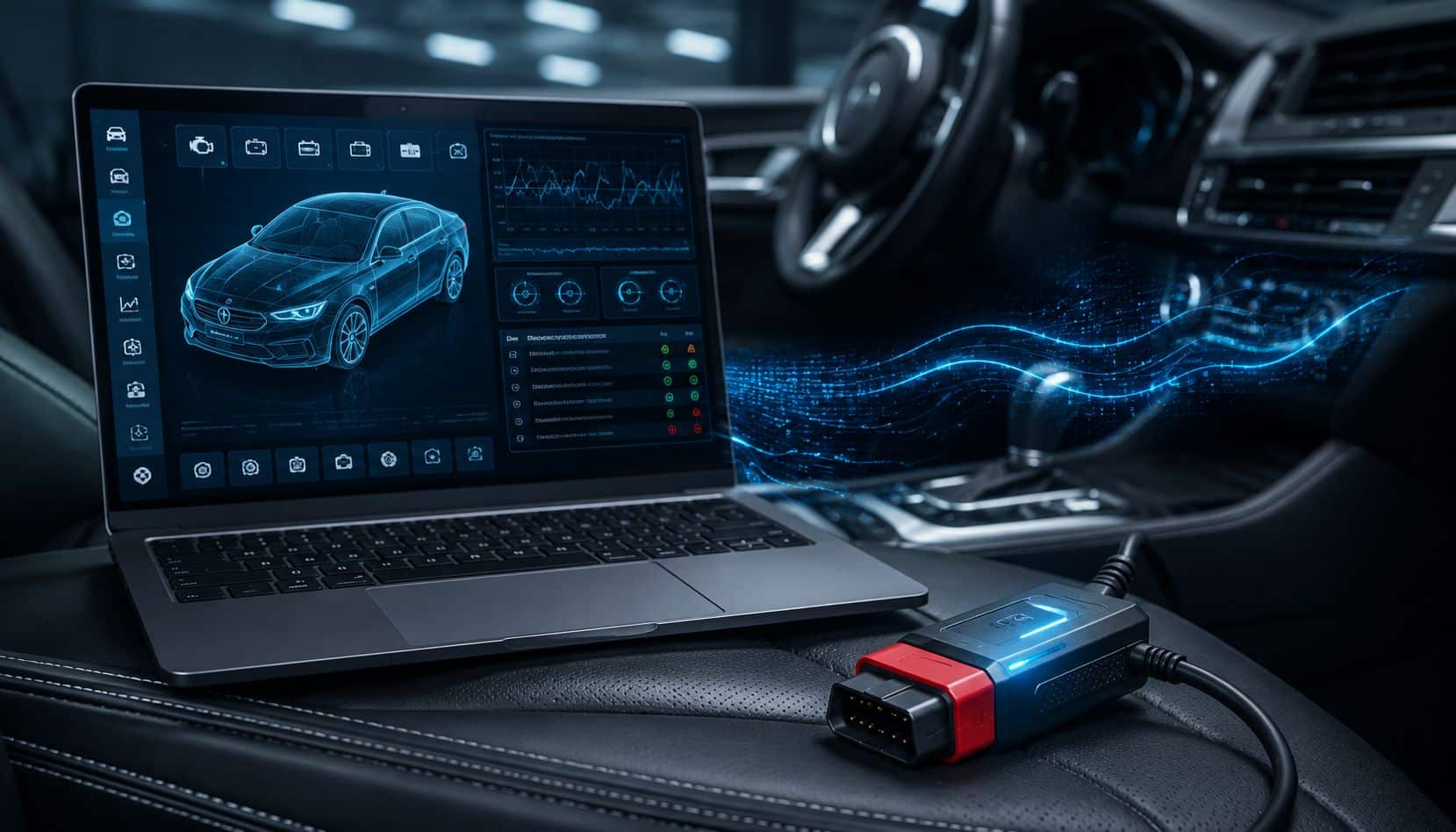
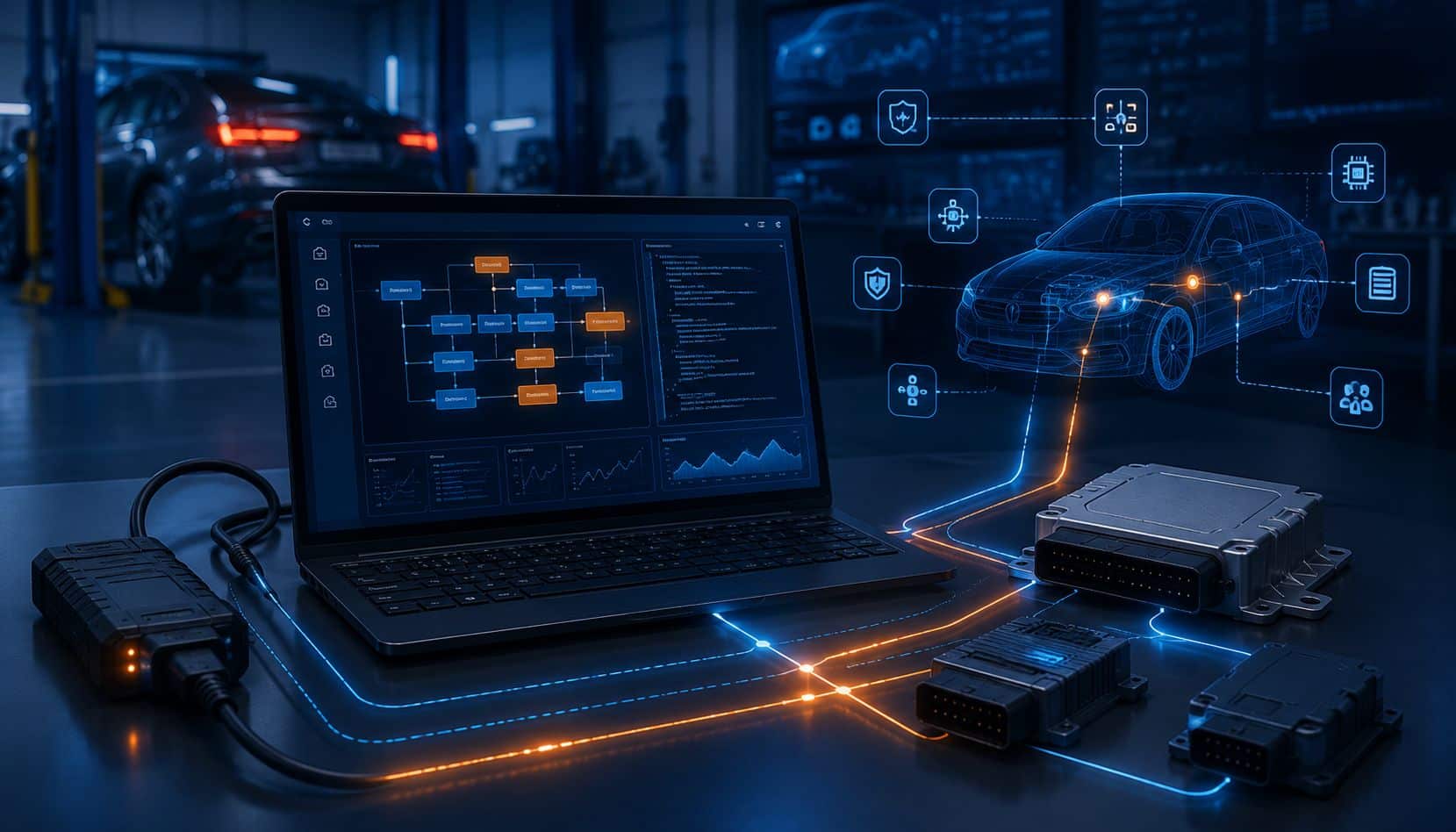
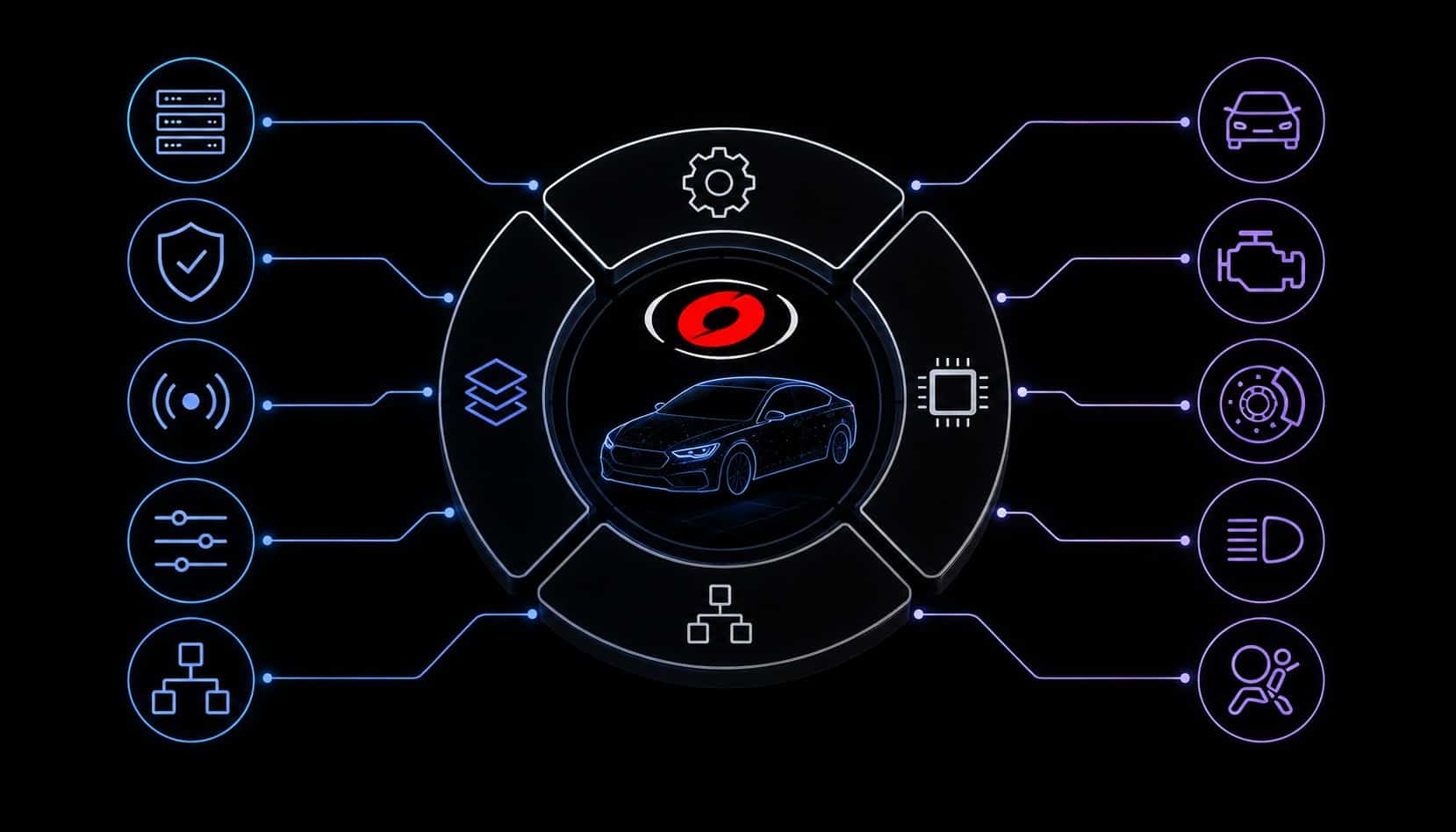
Supports standardized OBDonUDS diagnostic communication based on SAE J1979-2 and ISO 14229 UDS services.
Leverages a common UDS diagnostic framework for emissions-related OBD functions, ECU diagnostics, flashing, security access, routine control, and fault-memory management.
Supports access to emission-related Diagnostic Trouble Codes, DTC status information, snapshot records, extended data records, and ECU-specific fault-memory information.
Enables support for inspection and maintenance readiness information, monitor status, monitor completion data, and in-use performance-related parameters as applicable to the ECU program.
Enables standardized access to vehicle information and identification-related data required for diagnostic communication.
Integrates the OBDonUDS stack over ISO 15765 transport layers for CAN and CAN FD based vehicle networks.
Supports integration with AUTOSAR Diagnostic Communication Manager, Diagnostic Event Manager, CAN TP, and custom non-AUTOSAR diagnostic frameworks.
Configures diagnostic identifiers, DTC mapping, fault-memory behaviour, communication parameters, timing values, ECU addressing, and diagnostic data handling based on program requirements.
Classic OBD-II uses standardized diagnostic modes and PIDs to expose emissions-related vehicle data. SAE J1979-2 moves these functions to a UDS-based diagnostic architecture.
This transition enables automotive programs to:
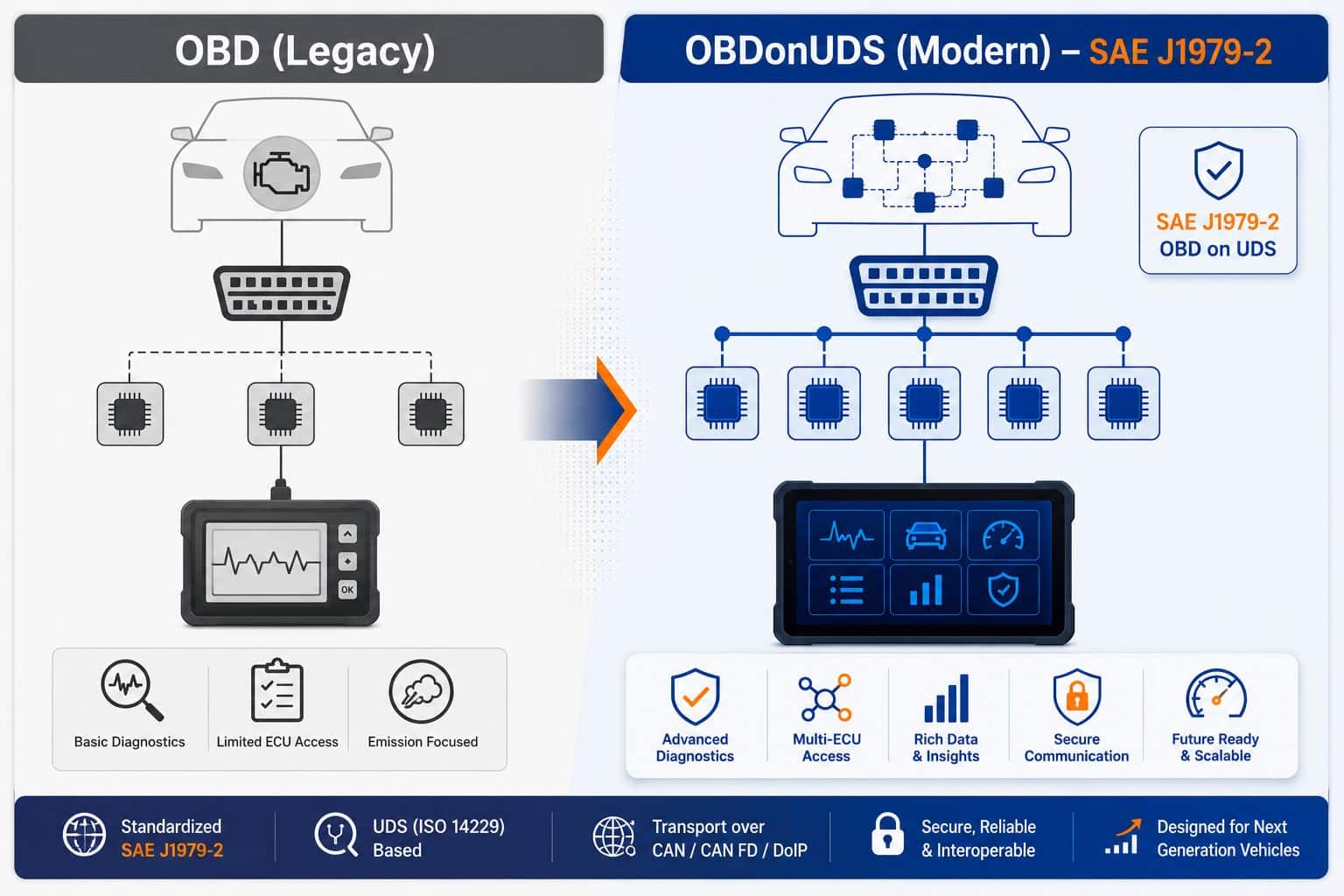
Align emissions-related OBD functions with the ECU's broader UDS diagnostic framework
Support richer DTC, snapshot, extended-data, and monitor-status reporting
Reduce duplication between conventional ECU diagnostics and regulatory OBD diagnostics
Prepare diagnostic software for CAN FD, Ethernet-enabled architectures, and centralized vehicle computing
Build a scalable path toward future diagnostic standards, including ZEVonUDS for electric vehicle propulsion systems
OBDonUDS is not simply a conversion of classic OBD modes into UDS services. It introduces a more structured diagnostic model for fault memory, monitor data, vehicle status, and standardized diagnostic reporting.
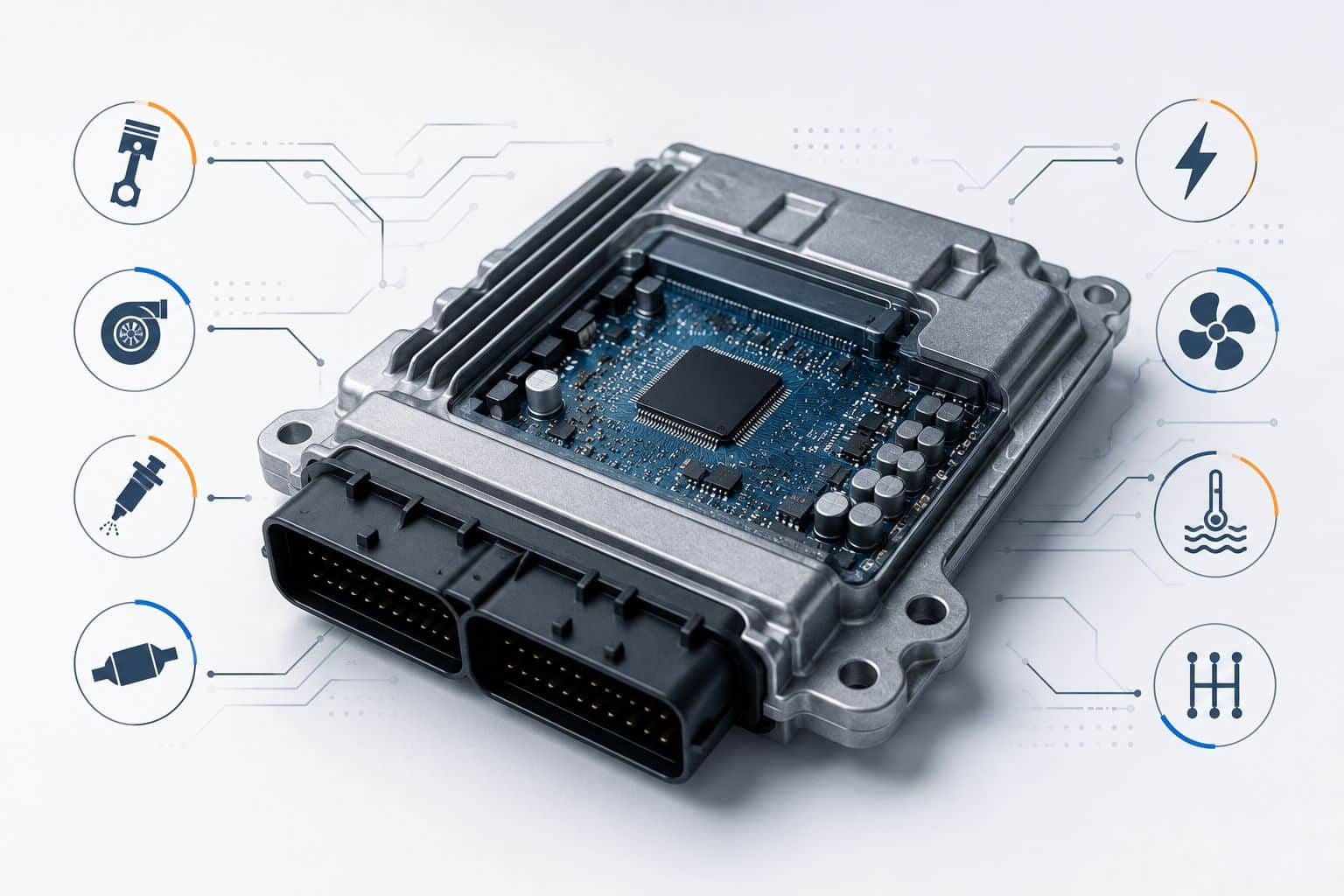
Implement standardized emissions-related diagnostics for engine control units, transmission control units, hybrid control units, exhaust after-treatment controllers, and related powertrain ECUs.

Support OBDonUDS diagnostic requirements across hybrid powertrain components, including engine, motor control, energy management, and transmission-related ECUs.
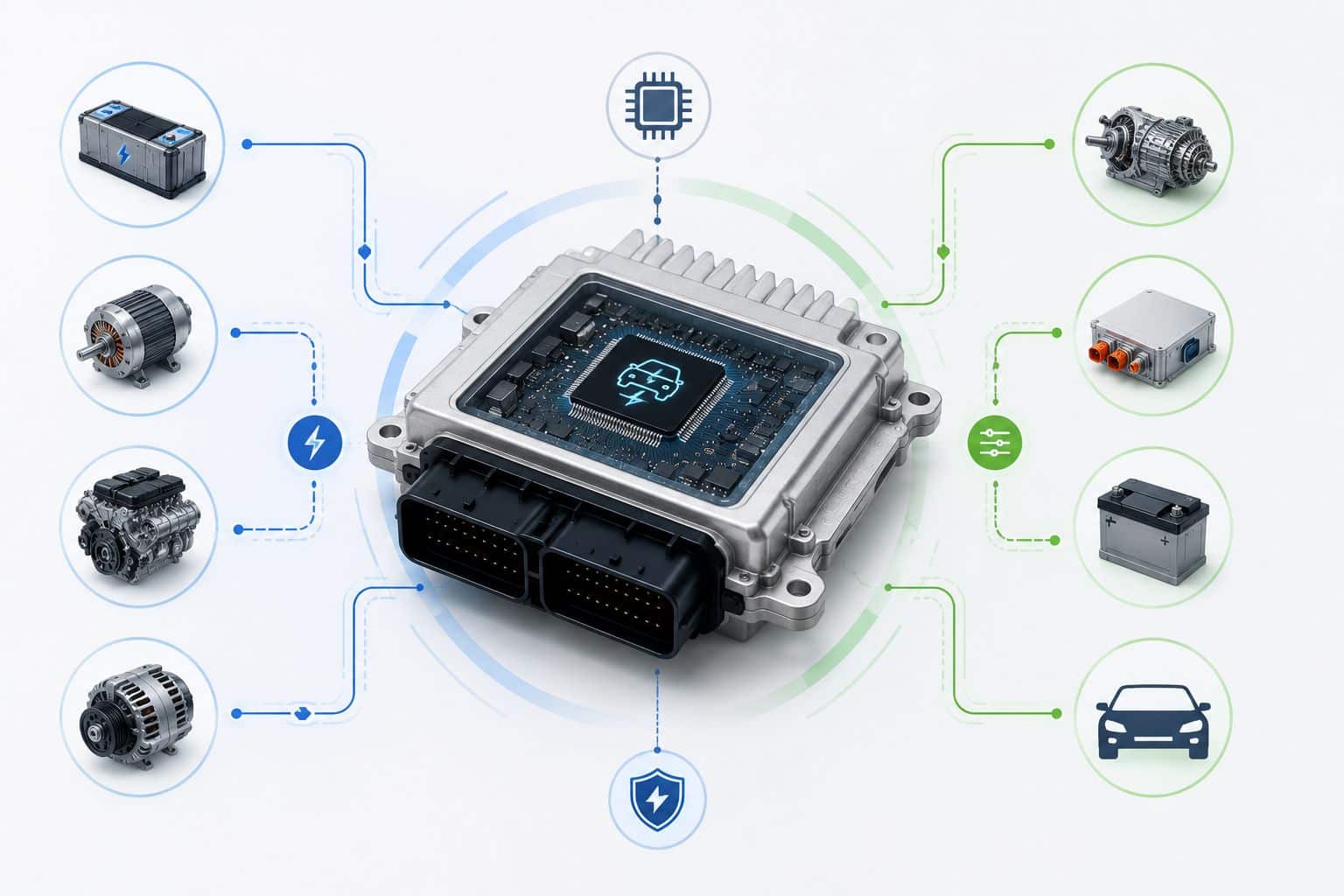
Implement diagnostic routing, centralized fault data collection, and OBDonUDS communication support in gateways and centralized vehicle controllers.

Support UDS-based OBD diagnostic architectures for commercial vehicle applications where ECU diagnostics, emissions-related monitoring, and scalable network communication are required.

Support development of diagnostic tester applications, engineering tools, validation frameworks, and ECU simulation environments that need to communicate with SAE J1979-2 compliant ECUs.
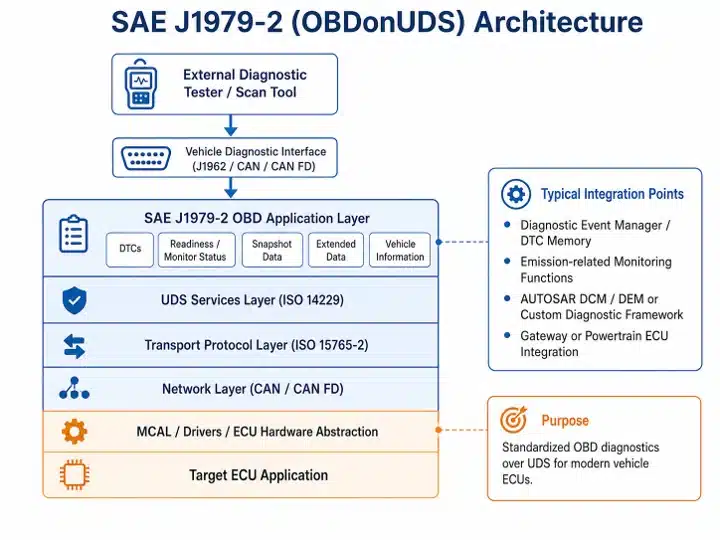
ISO 14229 diagnostic services, diagnostic sessions, request handling, response generation, error handling, and diagnostic communication management.
ECU application software, emission monitoring functions, diagnostic event reporting, vehicle status logic, and fault detection functions.
SAE J1979-2 compliant diagnostic functions for DTC reporting, status information, snapshots, extended data, monitor information, and vehicle data.
MCU-specific CAN drivers, transceiver integration, operating system abstraction, and board support package interfaces.
ISO 15765-2 transport protocol for segmented diagnostic communication.
CAN and CAN FD communication based on ISO 15765-4 requirements.
| Layer | Supported Technology |
|---|---|
| OBDonUDS Application Layer | SAE J1979-2 |
| Diagnostic Services | ISO 14229 UDS |
| Transport Protocol | ISO 15765-2 |
| Network Communication | ISO 15765-4 CAN / CAN FD |
| ECU Diagnostics | DTCs, snapshot data, extended data, monitor status, vehicle information |
| ECU Frameworks | AUTOSAR and non-AUTOSAR |
| Integration Environment | RTOS, bare-metal, and MCU-based automotive ECUs |
| Test Support | CANoe, diagnostic testers, custom test tools, trace analysis |
Embitel has extensive experience in automotive diagnostic stack development, including UDS, DoIP, OBD‑II, J1939 diagnostics, bootloader integration, DTC handling, and ECU communication stack integration.
The OBDonUDS stack is designed for faster integration into production ECU software while allowing project‑specific configuration and adaptation.

The stack can be configured for ECU‑specific DTC handling, diagnostic identifiers, snapshot records, monitor data, transport settings, and OEM diagnostic requirements.
Support extends beyond protocol delivery. Embitel can assist with ECU architecture, AUTOSAR integration, diagnostic design, fault‑memory strategy, CAN communication, validation, and maintenance.
Teams working with conventional OBD‑II can receive migration support toward SAE J1979‑2 OBDonUDS while retaining legacy compatibility where required.
Implement SAE J1979-2 OBDonUDS diagnostics with a configurable embedded protocol stack and engineering support across design, integration, validation, and maintenance.
SAE J1979-2 is the OBDonUDS diagnostic standard. It defines how an external diagnostic tester communicates with a vehicle’s on-board diagnostics system using UDS-based diagnostic services.
Classic OBD-II uses standardized diagnostic modes and PIDs. OBDonUDS uses ISO 14229 UDS services to provide standardized OBD functions with a more structured approach to DTCs, snapshot data, extended data, vehicle status, and monitor information.
Yes. The stack can be integrated over CAN and CAN FD based communication architectures, depending on ECU and vehicle-network requirements.
Yes. The stack can be integrated with AUTOSAR components such as DCM, DEM, FIM, CAN TP, COM stack, and ECU-specific application software.
Yes. OBDonUDS functions can be integrated with an existing UDS diagnostic server so that regulatory OBD functions and general ECU diagnostics operate within a common diagnostic architecture.
Source code access can be provided based on the commercial agreement and project requirements.
Yes. Embitel can assess the existing OBD-II implementation, map legacy diagnostic functions, define the target OBDonUDS architecture, and support implementation and validation.
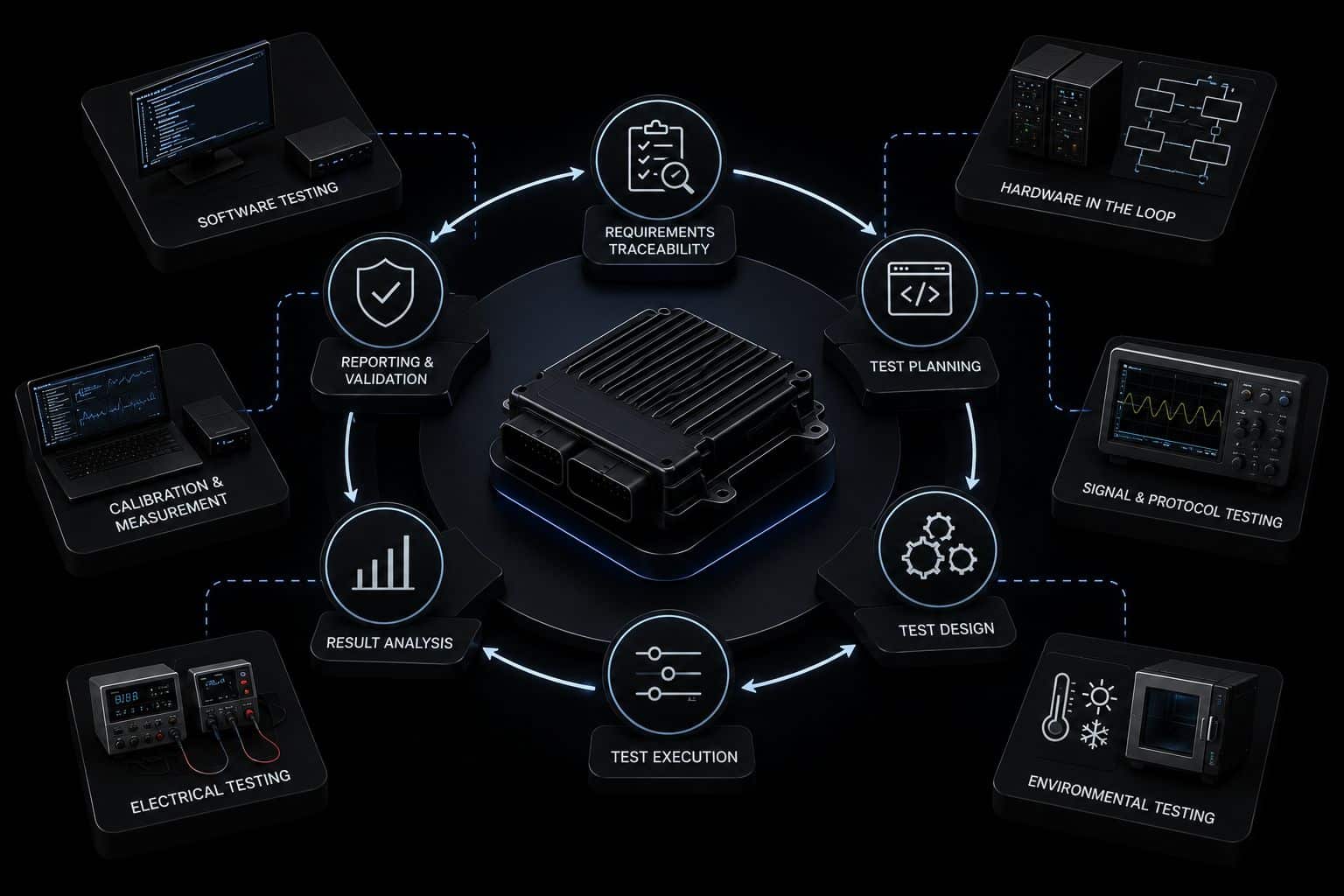
Yes. Embitel provides support for unit testing, integration testing, diagnostic validation, CAN communication testing, trace analysis, and test automation.
Expand your knowledge with technical articles, implementation guides and the latest automotive diagnostic standards from Embitel's embedded software experts.
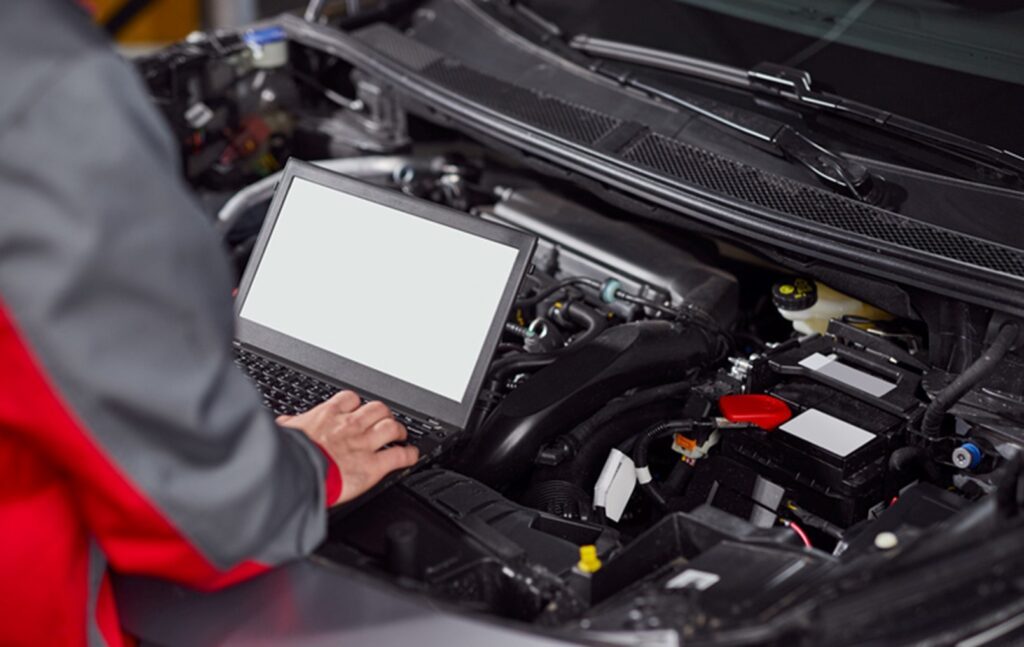
Learn how SAE J1979-3 enables standardized diagnostic communication for battery electric vehicles (BEVs), fuel-cell vehicles (FCEVs), and next-generation zero-emission vehicle platforms.
